
Property Technology, often abbreviated as PropTech, refers to the innovative use of technology to enhance and streamline various aspects of the real estate industry. This burgeoning field encompasses a wide array of digital tools and platforms designed to improve the efficiency of property transactions, management, and development. From online marketplaces that facilitate property sales and rentals to sophisticated software that aids in property management and investment analysis, PropTech is reshaping how stakeholders interact with real estate.
The term itself encapsulates a diverse range of technologies, including artificial intelligence, big data analytics, virtual reality, and blockchain, all of which are being harnessed to address the complexities of the real estate market. The rise of PropTech can be attributed to the increasing demand for transparency, efficiency, and convenience in real estate transactions. As consumers become more tech-savvy and accustomed to digital solutions in other sectors, they expect similar advancements in real estate.
This shift has prompted traditional real estate firms to adopt new technologies or partner with startups that specialize in PropTech solutions. Consequently, the landscape of real estate is evolving rapidly, with technology playing a pivotal role in shaping how properties are bought, sold, managed, and experienced. The integration of these technologies not only enhances operational efficiency but also fosters a more user-friendly experience for buyers, sellers, landlords, and tenants alike.
Key Takeaways
- Property Technology (PropTech) refers to the use of technology to manage, buy, sell, and improve real estate properties.
- PropTech has significantly impacted the real estate industry by streamlining processes, increasing efficiency, and improving the overall customer experience.
- Using PropTech for property management offers benefits such as cost savings, improved tenant communication, and better maintenance tracking.
- PropTech is revolutionizing the rental market by offering online rental platforms, virtual property tours, and digital lease signing, making the process more convenient for both landlords and tenants.
- PropTech plays a crucial role in smart homes and buildings by enabling the integration of IoT devices, energy management systems, and security solutions for a more connected and efficient living environment.
The Impact of Property Technology on Real Estate
The impact of Property Technology on the real estate sector is profound and multifaceted. One of the most significant changes brought about by PropTech is the democratization of access to real estate information. Traditionally, data regarding property values, market trends, and neighborhood statistics was often confined to industry insiders or required extensive research.
However, with the advent of PropTech platforms, this information is now readily available to anyone with an internet connection. This increased accessibility empowers consumers to make informed decisions about buying or renting properties, ultimately leading to a more competitive market where informed choices drive prices and demand. Moreover, PropTech has revolutionized the way real estate transactions are conducted.
The introduction of online platforms has streamlined processes that were once cumbersome and time-consuming. For instance, virtual tours and augmented reality applications allow potential buyers or renters to explore properties from the comfort of their homes, significantly reducing the need for physical visits. Additionally, digital transaction management systems facilitate seamless communication between buyers, sellers, agents, and lenders, expediting the closing process.
As a result, the entire real estate transaction lifecycle has become more efficient, reducing costs and time for all parties involved while enhancing overall customer satisfaction.
The Benefits of Using Property Technology for Property Management
Property management has undergone a significant transformation due to the integration of Property Technology solutions. One of the primary benefits is the automation of routine tasks that were once labor-intensive and prone to human error. For instance, property management software can automate rent collection, maintenance requests, and tenant communications, allowing property managers to focus on more strategic aspects of their operations.

This not only increases efficiency but also enhances tenant satisfaction by ensuring timely responses to inquiries and maintenance issues. Furthermore, data analytics tools enable property managers to track performance metrics and identify trends that can inform decision-making and improve overall property performance. Another notable advantage of PropTech in property management is its ability to enhance tenant engagement and retention.
Many modern property management platforms offer features such as tenant portals where residents can access important information, submit maintenance requests, and communicate with management easily. This level of engagement fosters a sense of community among tenants and encourages them to stay longer in their rental properties. Additionally, advanced analytics can help property managers understand tenant preferences and behaviors, allowing them to tailor services and amenities that meet the needs of their residents.
By leveraging technology in this way, property managers can create a more positive living experience that ultimately leads to higher occupancy rates and increased revenue.
How Property Technology is Revolutionizing the Rental Market
The rental market has experienced a seismic shift due to the influence of Property Technology. One of the most significant changes is the emergence of online rental platforms that connect landlords with potential tenants more efficiently than ever before. These platforms allow landlords to list their properties with detailed descriptions and high-quality images while providing tenants with an extensive database of available rentals at their fingertips.
This ease of access has not only simplified the search process for tenants but has also increased competition among landlords, leading to more competitive pricing and improved rental conditions. Additionally, PropTech has introduced innovative solutions for tenant screening and lease management that enhance security and streamline operations. Advanced algorithms can analyze potential tenants' credit histories, rental backgrounds, and employment status quickly and accurately, allowing landlords to make informed decisions about whom they choose to rent their properties.
Furthermore, digital lease agreements can be signed electronically, eliminating the need for physical paperwork and making it easier for both parties to manage their obligations. This technological evolution not only accelerates the rental process but also reduces risks associated with tenant selection and lease enforcement.
The Role of Property Technology in Smart Homes and Buildings
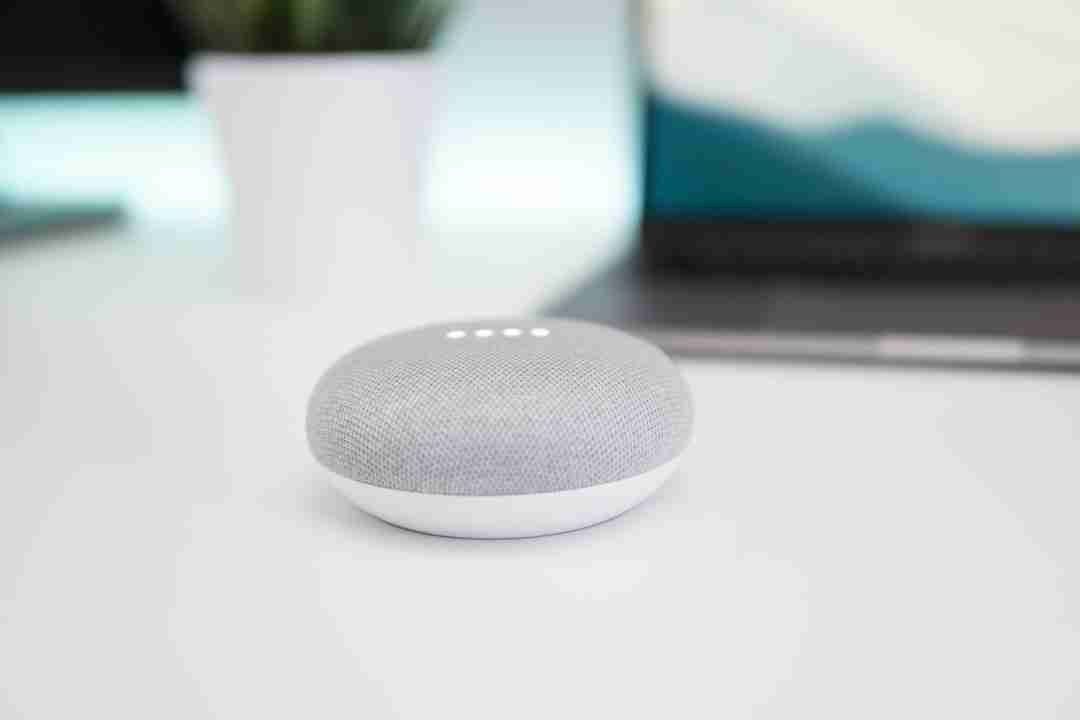
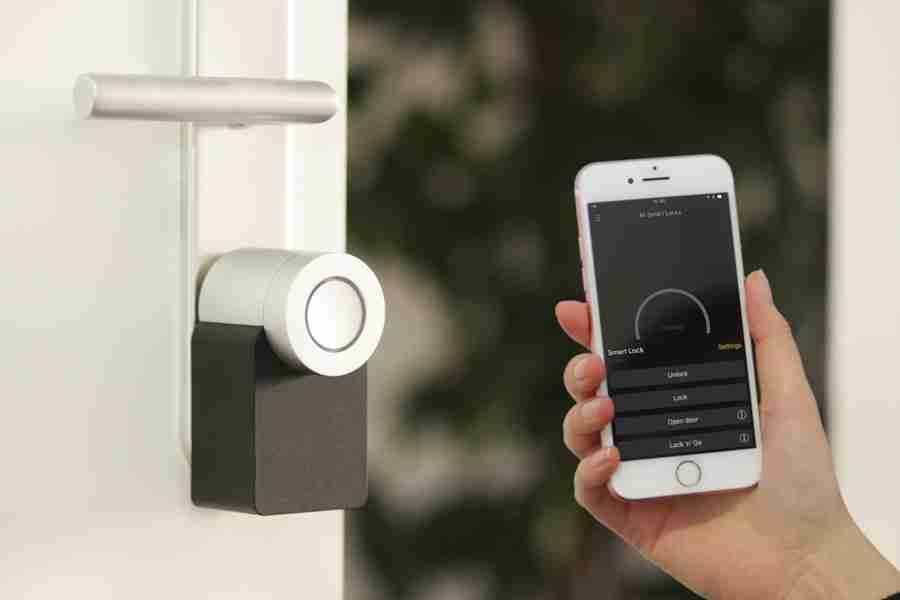
The integration of Property Technology into smart homes and buildings represents a significant advancement in how we interact with our living spaces. Smart home technology encompasses a range of devices that enhance convenience, security, and energy efficiency through automation and connectivity. From smart thermostats that optimize heating and cooling based on occupancy patterns to security systems that allow homeowners to monitor their properties remotely via smartphone apps, these innovations are transforming residential living into a more responsive experience.
As consumers increasingly seek out homes equipped with these technologies, builders and developers are compelled to incorporate smart features into their designs to remain competitive in the market. In commercial real estate, PropTech is similarly revolutionizing building management through the implementation of Internet of Things (IoT) devices that monitor various aspects of building performance in real-time. These devices can track energy consumption, air quality, occupancy levels, and maintenance needs, providing building managers with valuable insights that can lead to improved operational efficiency and reduced costs.
Moreover, smart buildings equipped with advanced technology can enhance tenant experiences by offering personalized services such as climate control based on individual preferences or automated lighting systems that adjust according to natural light levels. As smart technology continues to evolve, its role in both residential and commercial properties will undoubtedly expand further.
The Future of Property Technology: Trends and Innovations
Emerging Trends in Real Estate
The future of Property Technology is poised for continued growth and innovation as emerging trends reshape the landscape of real estate. One notable trend is the increasing adoption of artificial intelligence (AI) across various facets of the industry. AI-powered tools are being developed to analyze vast amounts of data quickly and accurately, enabling real estate professionals to make data-driven decisions regarding pricing strategies, investment opportunities, and market forecasts.
Enhancing Customer Experience with AI and Machine Learning
Additionally, machine learning algorithms can enhance customer service by providing personalized recommendations based on user behavior and preferences. This technology has the potential to revolutionize the way real estate professionals interact with clients, providing a more tailored and efficient experience.
The Rise of Blockchain Technology in Real Estate
Another significant trend is the rise of blockchain technology within real estate transactions. Blockchain offers a secure and transparent method for recording property ownership and transaction history while reducing fraud risks associated with traditional methods. Smart contracts powered by blockchain can automate various aspects of real estate transactions, such as escrow services or lease agreements, ensuring that all parties fulfill their obligations without the need for intermediaries.
Challenges and Concerns in the Adoption of Property Technology
Despite its many advantages, the adoption of Property Technology is not without challenges and concerns that stakeholders must navigate carefully. One significant hurdle is the resistance to change among traditional real estate professionals who may be hesitant to embrace new technologies due to fears about job displacement or a lack of understanding regarding how these tools can enhance their work processes. This reluctance can slow down the integration of PropTech solutions within established firms and hinder overall industry progress.
Moreover, issues related to data privacy and security pose significant concerns as more personal information is collected through various PropTech platforms. With increasing instances of cyberattacks across industries, stakeholders must prioritize robust cybersecurity measures to protect sensitive data from breaches that could compromise tenant information or financial transactions. Additionally, regulatory challenges may arise as governments grapple with how best to oversee emerging technologies within real estate while ensuring consumer protection without stifling innovation.
Addressing these challenges will be crucial for fostering a sustainable environment where Property Technology can thrive while meeting the needs of all stakeholders involved in the real estate ecosystem.