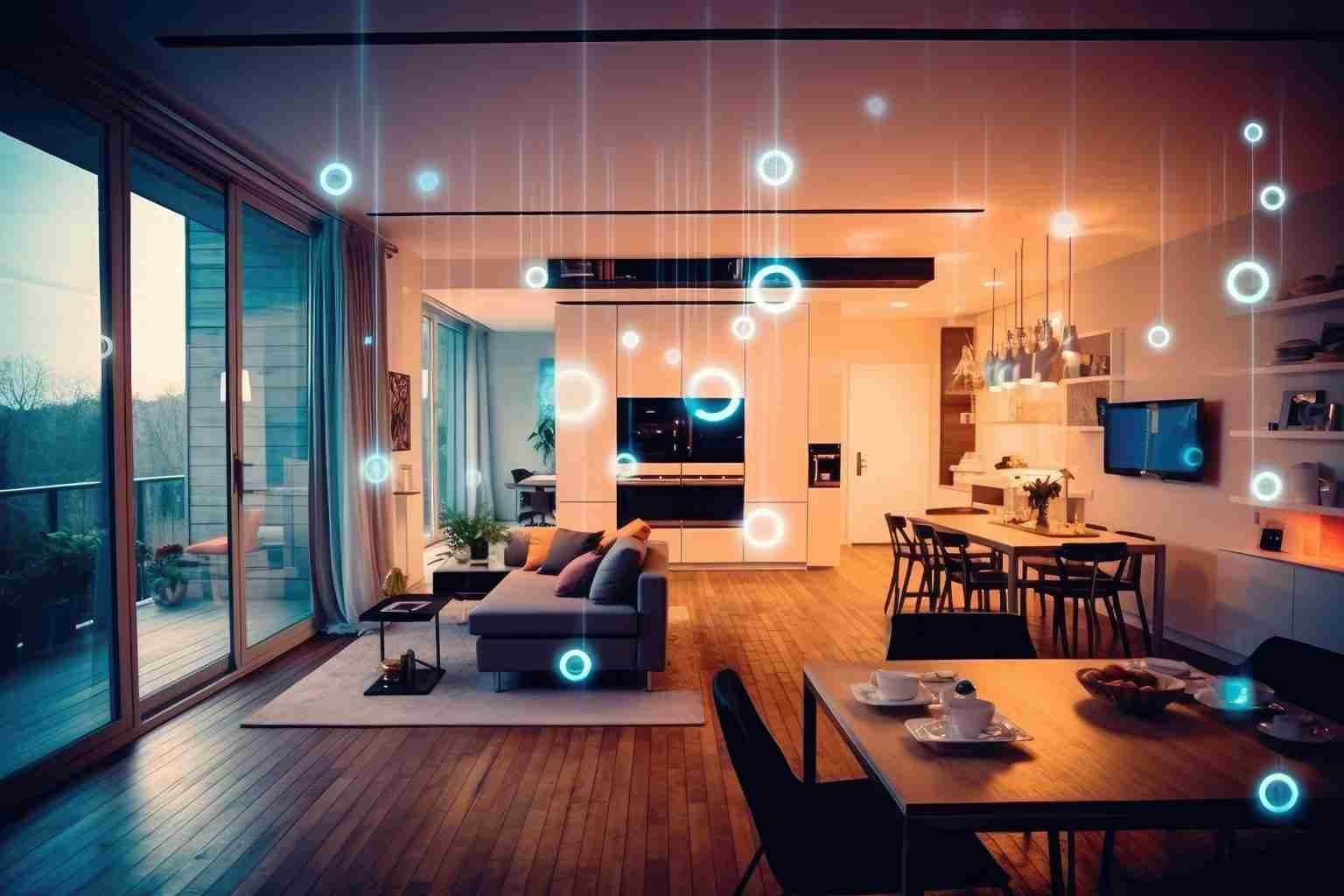
Advances in technology have the potential to significantly lower the costs of homeownership and home management while improving the consumer experience. Here's a detailed list of ideas where Housing as a Service (HaaS) and smart home technology can be beneficial:
**Energy Management Systems**:
- Use of smart thermostats to reduce heating and cooling costs.
- Installation of solar panels and smart energy storage systems to lower electricity bills.
- Smart lighting systems that adjust based on natural light levels and occupancy to save on electricity.
**Smart Security Solutions**:
- Intelligent security cameras with facial recognition to reduce the need for security personnel.
- Smart locks that allow for keyless entry and remote access control.
- Integrated systems that alert homeowners to potential issues like water leaks or open windows, preventing costly damage.
**Maintenance and Repairs**:
- Predictive maintenance systems using IoT sensors to alert homeowners to potential issues before they become costly problems.
- Use of drones for roof inspections or gutter cleaning to reduce the need for manual labor.
- Automated service scheduling that coordinates with homeowner’s calendars for convenience.
**HaaS Subscription Models**:
- Bundled services such as lawn care, cleaning, and maintenance for a flat monthly fee, offering convenience and potentially lower costs through economies of scale.
- Shared amenities like pools, gyms, and workspaces in housing communities that reduce individual homeowner costs.
**Home Automation**:
- Integration of appliances and systems for centralized control, potentially leading to bulk purchase discounts or energy savings.
- Voice-activated controls for accessibility and ease of use.
- Smart appliances that optimize their energy use based on utility rate fluctuations.
**Financing and Insurance**:
- Blockchain-based platforms for transparent and streamlined mortgage processing, potentially reducing fees.
- Usage-based insurance models that offer lower rates for homes with smart safety and security features.
**Community Resource Sharing**:
- Platforms that facilitate the sharing of tools, equipment, and even vehicles within a community to reduce individual purchase and maintenance costs.
- Community gardens with smart irrigation systems to provide local produce and reduce food expenses.
**Construction Technology**:
- 3D printing of home components to reduce construction waste and labor costs.
- Modular homes built in controlled environments for quality and cost efficiency.
**Smart Utilities and Waste Management**:
- Smart water meters that detect leaks and promote water conservation.
- Waste sorting and collection systems that optimize recycling and reduce fees.
**Remote Monitoring and Management**:
- Platforms that allow homeowners to monitor and manage their property remotely, ideal for vacation rentals or second homes.
- Smart sensors that provide data on home usage patterns for optimization.
**Accessibility and Inclusivity**:
- Technology that assists the elderly or those with disabilities, such as automatic doors, voice-controlled systems, and customized interfaces.
**Smart Interior Design**:
- Use of AR and VR for virtual furniture placement and interior design to prevent costly purchase mistakes.
- Smart glass that changes opacity for privacy and energy savings.
By integrating these technologies, consumers can potentially see a decrease in the overall costs associated with homeownership and management, while enjoying a more convenient and personalized living experience.