Hooters: The Evolution of a Legendary Restaurant Chain
A Brief History
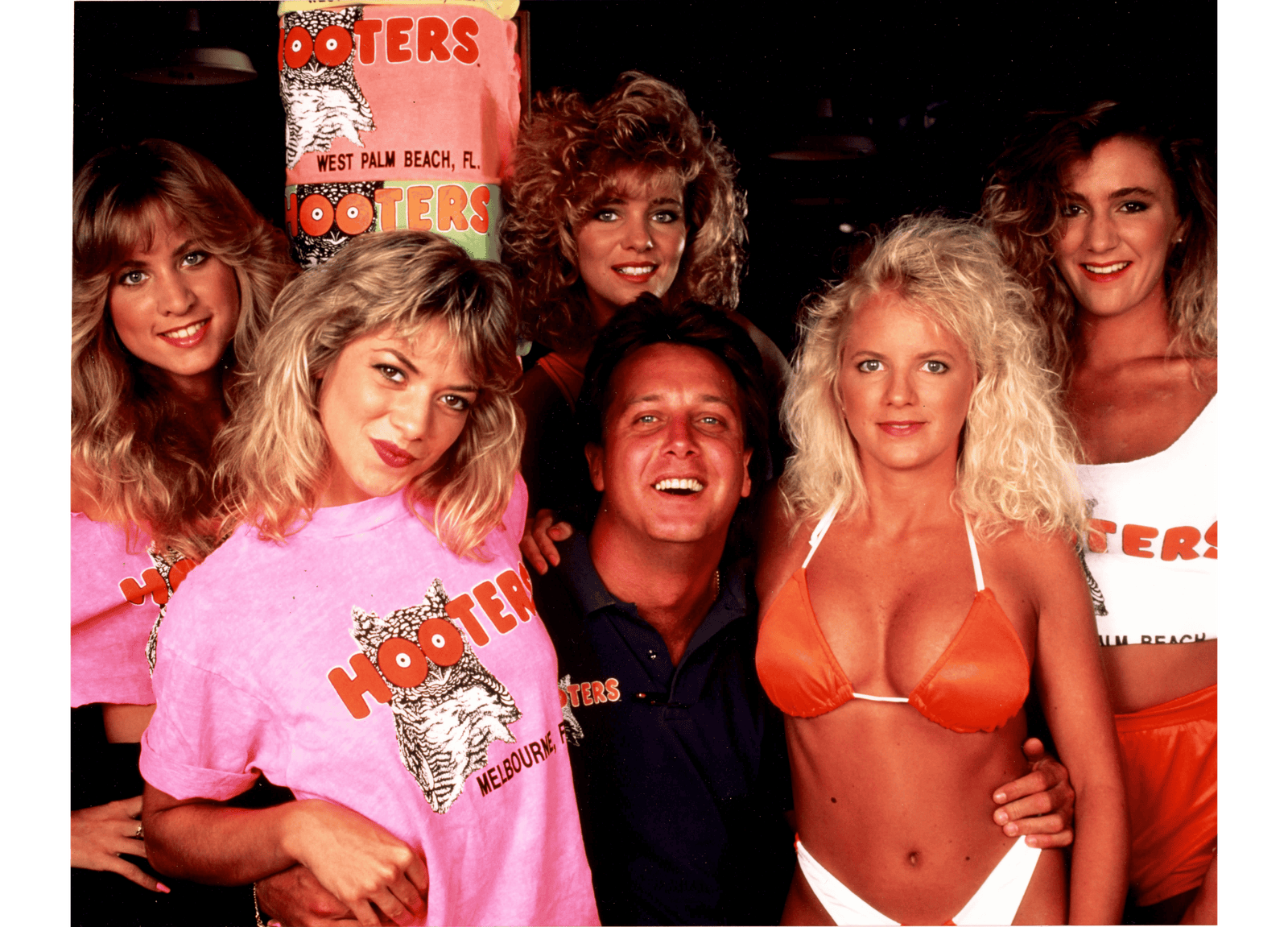
Hooters was founded in 1983 in Clearwater, Florida, by a group of six businessmen, including former NFL player Ed Droste and his partners Dennis Johnson, Paul Smith, and others. The original concept was simple: create a casual, laid-back atmosphere that served American food, particularly chicken wings, in a fun environment that featured attractive waitresses dressed in a signature uniform of tank tops and shorts.
The Concept and Branding
The brand’s identity is rooted in its playful double entendre, with “Hooters” referring to both the owl mascot and the playful nod to the female figure. This duality in naming has contributed to the restaurant’s memorable branding, setting it apart from competitors. The restaurant’s decor is often infused with elements of nostalgia, as walls are adorned with sports memorabilia, flat-screen televisions, and a casual bar feel inviting patrons to watch games and socialize.
Menu Evolution
Initially, Hooters served a simple menu centered around chicken wings, burgers, and sandwiches. Over the years, the menu has expanded significantly, introducing seafood, salads, and appetizers while maintaining an emphasis on its original offerings. Signature items such as Hooters’ Famous Wings come in a variety of sauces, including mild, hot, and signature Thai chili, catering to diverse palates.
In response to growing health consciousness, Hooters began to include lighter fare, acknowledging the changing dining habits. Salads, grilled items, and healthier sides were introduced, all while maintaining the brand’s core offerings. The emphasis on quality ingredients and preparation has strengthened its reputation among both loyal customers and newcomers.
The Hooters Experience
The Hooters dining experience is designed to foster a lively and engaging atmosphere. Waitresses, often referred to as “Hooters Girls,” are trained to provide exceptional service that combines quickness with charm. This model has become a defining feature of the Hooters brand, creating an ambiance that encourages repeat visits.
The restaurants typically feature a variety of entertainment options, including live sports broadcasts, trivia nights, and even karaoke in some locations. This focus on entertainment complements the food, promoting a full dining experience that appeals to groups, families, and sports fans alike.
Expansion and Growth
Hooters saw rapid growth in the late 1980s and early 1990s, with the opening of multiple franchises across the United States. In 1991, Hooters began its international expansion with restaurants in the Bahamas and subsequently opened locations in Canada, Mexico, and other countries.
By the mid-1990s, Hooters was operating over 250 restaurants, and its popularity was at an all-time high. However, the brand has experienced challenges due to changing social norms and increased competition in the casual dining segment. This necessitated strategic re-evaluations of brand identity and marketing approaches.
Marketing Strategies
Hooters’ marketing strategies have often aligned with pop culture and current trends. Sporting sponsorships, particularly in industries like NASCAR and professional football, have kept the brand visible and relevant in the minds of consumers. Hooters has also leveraged social media platforms, particularly Instagram and Facebook, to engage younger demographics while attracting a new generation of patrons.
Annual events like the “Miss Hooters International” pageant have bolstered community engagement and created additional marketing opportunities. These events celebrate the Hooters brand and generate buzz, effectively continuing the conversation around brand identity.
Societal Impact and Criticism
Hooters has faced criticism regarding its perception and treatment of women. The brand’s focus on attractive waitresses in revealing uniforms has sparked debates about objectification and gender roles in the dining industry. Critics argue that such approaches may perpetuate problematic stereotypes.
In response to such critiques, Hooters has attempted to pivot and broaden its brand image by focusing on service quality and community involvement. Initiatives like women’s empowerment programs highlight the strength of female employees in various roles, from servers to managers. This effort aims to reshape conversations around the brand, emphasizing professionalism rather than mere appearance.
Modernization and Technological Integration
As food service and restaurant markets evolve, Hooters has recognized the need for technological adaptation. Increasingly, restaurant chains are incorporating tech features like mobile ordering, delivery services, and online reservations. Hooters has initiated partnerships with third-party delivery services to ensure food is accessible, catering to the growing demand for convenience.
In addition to these advancements, Hooters has made strides in modernizing its restaurant layouts to create inviting environments equipped with modern amenities. These features, combined with their traditional playful atmosphere, help attract a wider array of customers.
Franchise Model
The franchise model has played a pivotal role in Hooters’ expansion, allowing for rapid growth while enabling local entrepreneurs to manage individual restaurants. Invested franchisees bring local insights, adapting menus and service styles suited to regional preferences while upholding the core Hooters identity.
Franchise opportunities have attracted various operators, leading to a diverse range of Hooters locations across the globe. Support for franchisees in terms of training, marketing strategies, and operations has helped maintain consistency and quality across different restaurants.
Community Engagement
Community engagement has become an essential element of Hooters’ modern corporate responsibility initiatives. The company has collaborated with various nonprofit organizations, notably through charitable events and fundraising campaigns. Hooters partners with breast cancer awareness programs, children’s charities, and service member support groups, which uphold its commitment to giving back.
Participating in local events allows Hooters to create a positive impact while strengthening ties with its customer base. It positions the brand as a community-oriented entity rather than merely a restaurant chain focused on profit.
Future Vision
As Hooters navigates a competitive landscape, its future vision will likely center around fostering inclusivity while preserving its unique brand identity. Potential innovations may encompass menu diversifications to cater to even broader dietary preferences, including more vegan and gluten-free options.
Continued investments in technology and customer engagement tactics will also play critical roles in maintaining relevance in dining culture. Future locations may evolve to engage younger, tech-savvy customers with interactive dining experiences incorporating augmented reality and other immersive technologies.
Conclusion
The evolution of Hooters from a small Clearwater restaurant to a globally recognized dining chain underscores its significant impact on the casual dining landscape. With foundational principles rooted in fun, community, and food quality, Hooters continues to adapt, balancing tradition with modernity. Its path forward reflects broader social trends and changing consumer preferences while learning from past critiques to redefine its brand identity for future generations. Hooters remains a unique entity in the dining experience, continually inviting patrons to enjoy wings, sports, and the company of friends in an atmosphere that celebrates camaraderie and good times.