
Hooters: Anatomy of a Successful Business Model
1. Brand Identity
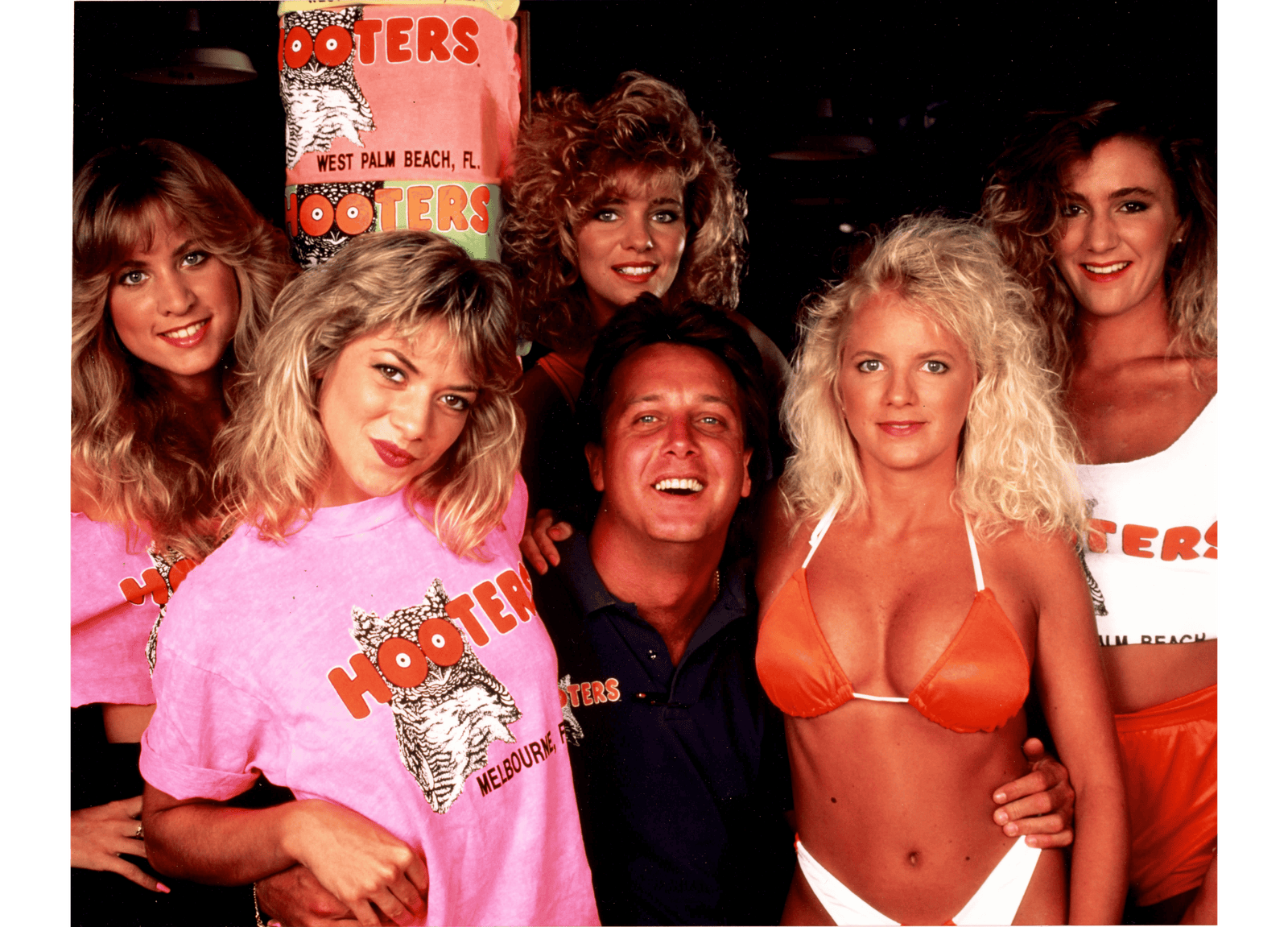
Hooters has built a distinctive brand identity that revolves around a casual dining experience complemented by a uniquely appealing service model. The brand is immediately recognizable with its iconic logo and the playful persona of its waitresses, who don the signature Hooters uniforms. This strategic choice has become a crucial part of their brand storytelling, solidifying Hooters as a destination for food and fun. The company capitalizes on co-branding efforts, often collaborating with events like UFC fights, drawing a vibrant audience and emphasizing its association with entertainment.
2. Unique Value Proposition
At the heart of Hooters’ business model is its unique value proposition: a combination of American comfort food, a lively sports bar atmosphere, and engaging service. Hooters positions itself as more than just a restaurant; it promotes itself as a communal space for watching sports and socializing. The establishment’s menu features classic American dishes, emphasizing wings, burgers, and beer, which appeals to a broad demographic. This focus ensures that customers perceive Hooters as a go-to destination for casual dining and entertainment.
3. Target Market Focus
Hooters primarily targets a demographic of young males aged 18-34, but it has successfully attracted families and female patrons as well. Their marketing strategies include promotional events and partnerships with sports leagues, appealing to sports enthusiasts who favor an informal atmosphere. By clearly defining its audience, Hooters can tailor its marketing messages and menu more effectively, fostering brand loyalty and repeat visitation among their core customers.
4. Franchise Model
Hooters operates on a franchise model that has been central to its expansion strategy. By allowing franchisees to operate under its brand, Hooters has achieved rapid scalability, with over 400 locations worldwide. This model not only provides an influx of capital but also reduces the financial burden of owning all restaurants outright. Franchise terms incentivize franchisees through shared risk and allow them to benefit from Hooters’ established brand reputation and operational systems. This approach accelerates growth without significant capital investment, making it more appealing for potential franchisees.
5. Marketing and Promotion Strategy
A multi-faceted marketing strategy forms the backbone of Hooters’ success. The brand utilizes a blend of traditional advertising, social media engagement, and events sponsorships to elevate visibility. Promotions like Wing Wednesdays or Draft Day Deals attract cost-conscious diners while solidifying their role in sports culture. Effective use of social media platforms fosters engagement with their target audience, embracing user-generated content and leveraging influencer partnerships to reach wider demographics. Additionally, themed events and sports viewing parties act as significant draws for customers.
6. Location Strategy
Hooters invests in a strategic location selection process that complements its brand image. Sites are typically chosen based on high-traffic areas – near sports venues, nightlife districts, and tourist attractions. These locations not only enhance brand visibility but also ensure a steady flow of customers. By understanding the demographics and behaviors of each area, Hooters can optimize its performance based on location-specific trends and preferences.
7. Menu Innovation and Adaptation
An essential component of Hooters’ business model is continuous menu innovation. The brand listens to customer preferences and incorporates seasonal items or trending food preferences, allowing for a dynamic menu. Beyond chicken wings, Hooters has expanded its offerings to include healthier options and vegetarian dishes in response to changing dietary trends. This adaptability helps maintain customer interest and satisfaction, encouraging repeat visits.
8. Attention to Customer Experience
Customer experience is paramount at Hooters. The company offers a lively, engaging atmosphere where service is characterized by friendliness and a sense of fun. Staff training programs focus on enhancing the customer experience; waitstaff are not only trained to deliver food but also to interact with patrons, creating a welcoming environment. This attention to customer experience fosters loyalty and encourages positive word-of-mouth marketing, crucial for brand reinforcement.
9. Community Engagement
Hooters places significant emphasis on community involvement and engagement. The brand hosts charitable events and sponsors local sports teams and programs, aligning itself with community interests. This strategy not only helps Hooters to build goodwill within communities but also fosters a loyal customer base that views the brand as an integral part of local culture.
10. Technology Integration
In recent years, Hooters has embraced technology to enhance operations and customer service. The integration of mobile ordering systems, digital menus, and loyalty app systems demonstrates a commitment to modern convenience. These innovations enhance the overall dining experience, allowing for quicker service and convenience, appealing particularly to the younger demographics that Hooters seeks to attract.
11. Competitive Landscape
Hooters navigates a competitive landscape filled with diverse dining options ranging from traditional sports bars to upscale restaurants. The company’s response includes a focus on the unique aspects of its offering to stand apart from competitors. Strong branding, engaging experiences, and an emphasis on casual dining set Hooters apart within the crowded restaurant industry. Maintaining this distinct position is essential as customer preferences shift over time.
12. Employee Engagement and Culture
Hooters invests significantly in employee training and development to ensure staff members are not only skilled but also embody the brand’s fun, vibrant culture. By fostering a sense of community among employees and promoting from within, Hooters increases staff loyalty and retention. This culture enhances customer interactions, as a motivated staff is more likely to contribute to a positive dining experience.
13. Marketing Through Events and Sponsorships
Event marketing has proven to be particularly effective for Hooters. Sponsoring events like sports competitions, car shows, and music festivals broadens their reach and aligns their brand with entertainment. Hooters frequently hosts their own events, such as the Hooters International Swimsuit Pageant, enhancing brand engagement and visibility while directly appealing to their target demographic.
14. Global Expansion Strategy
Hooters has made strategic moves toward global expansion, currently present in multiple countries outside the U.S. The company’s approach involves tailoring its concept to fit local markets while maintaining its core brand identity. By adapting to cultural differences and food preferences, Hooters succeeds in maintaining relevance and appeal in diverse markets, from Asia to Europe.
15. Health and Safety Protocols
Adapting to evolving health and safety protocols, especially in light of the COVID-19 pandemic, has been critical for Hooters. Implementing rigorous standards in hygiene and cleanliness reassures customers and aligns with public health guidelines. This responsiveness not only safeguards customer trust but also emphasizes the brand’s commitment to their health and well-being during uncertain times.
16. Building a Culture of Feedback
Hooters actively seeks customer feedback to improve its offerings, ensuring that they stay attuned to diner preferences. Regular surveys, online reviews, and social media interactions serve as platforms for gathering insights. This feedback not only drives innovation within the menu and service areas but also strengthens customer ties as patrons feel valued.
17. Economic Resilience
The Hooters business model has exhibited resilience during economic downturns. By offering a comparatively affordable dining experience, the brand attracts price-sensitive consumers looking for comfort food and social settings. This positioning allows them to weather economic fluctuations better than high-end dining establishments.
18. Partnerships and Collaborations
Strategic partnerships bolster Hooters’ marketing efforts, with brand collaborations extending to beverage companies, sports franchises, and entertainment companies. Such collaborations enhance exposure and create synergistic promotions, benefiting all involved parties. By associating with popular or relatable brands, Hooters effectively taps into new customer segments and enhances its appeal.
19. Digital Engagement
Hooters has an active digital presence through its website and social media platforms. The brand uses these mediums to interact with customers, promote menu items, and announce events. By embracing digital tools, Hooters stays connected with its audience and aligns with changing consumer preferences for digital engagement and online ordering.
20. Sustainable Practices
As awareness around sustainability grows, Hooters is making strides towards integrating eco-friendly practices into its operations. The use of sustainable sourcing for menu items, along with recycling and waste reduction initiatives, positions Hooters positively in the eyes of environmentally-conscious consumers. Recognizing and adapting to sustainability trends showcases the company’s commitment to broader social responsibility.
21. Diversification of Offerings
Beyond traditional menu items, Hooters has diversified into merchandise, offering branded apparel and goods that resonate with fans. This not only enhances brand loyalty but also creates additional revenue streams. By encouraging customers to invest in the brand through tangible goods, Hooters strengthens its connection with patrons and promotes brand visibility outside restaurant locations.
22. Recipe for Continued Success
In summary, Hooters’ business model is a complex interplay of brand identity, targeted marketing, franchise strategies, and community engagement. With a commitment to adapting to market trends while fostering a unique customer experience, Hooters has established a formidable position in the restaurant industry. Their multi-faceted approach positions them for continued growth, even in an ever-evolving market landscape. Understanding and leveraging their unique blend of offerings and operational strategies, Hooters moves forward with plans to solidify its legacy as a signature dining destination.