The Hooters brand didn’t just emerge as a restaurant—it exploded into a cultural phenomenon. Founded in 1983, the original beach-themed eatery in Clearwater, Florida, turned into an empire of over 400 locations worldwide. But behind the orange shorts, wings, and iconic calendar lies a complex and sometimes controversial history of bold personalities, business conflicts, and aggressive franchising.
Origins: Founding Hooters in 1983
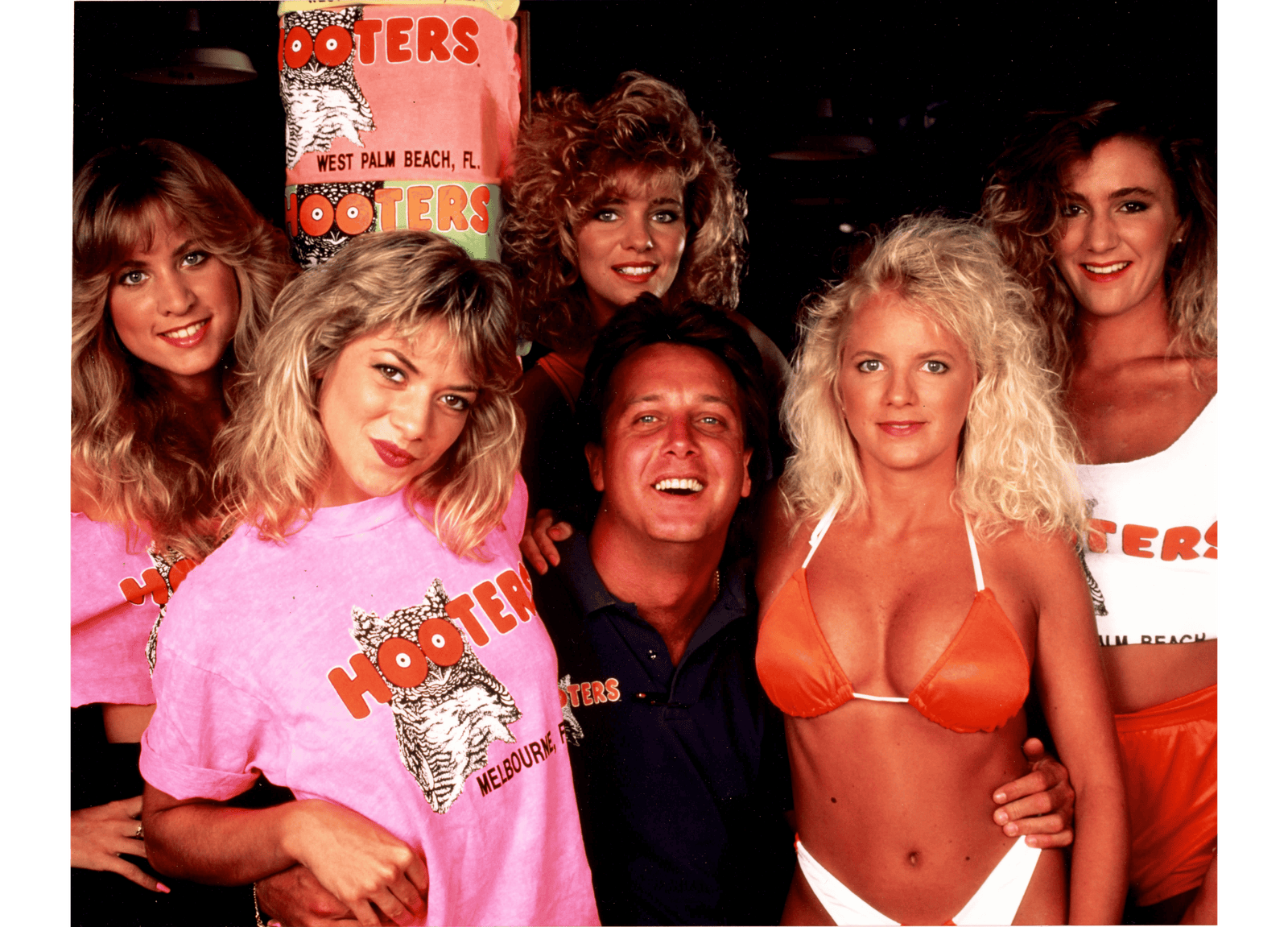
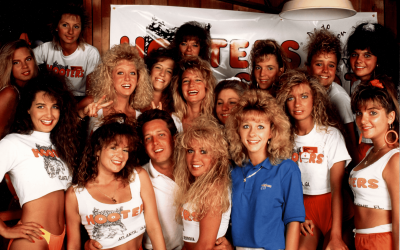
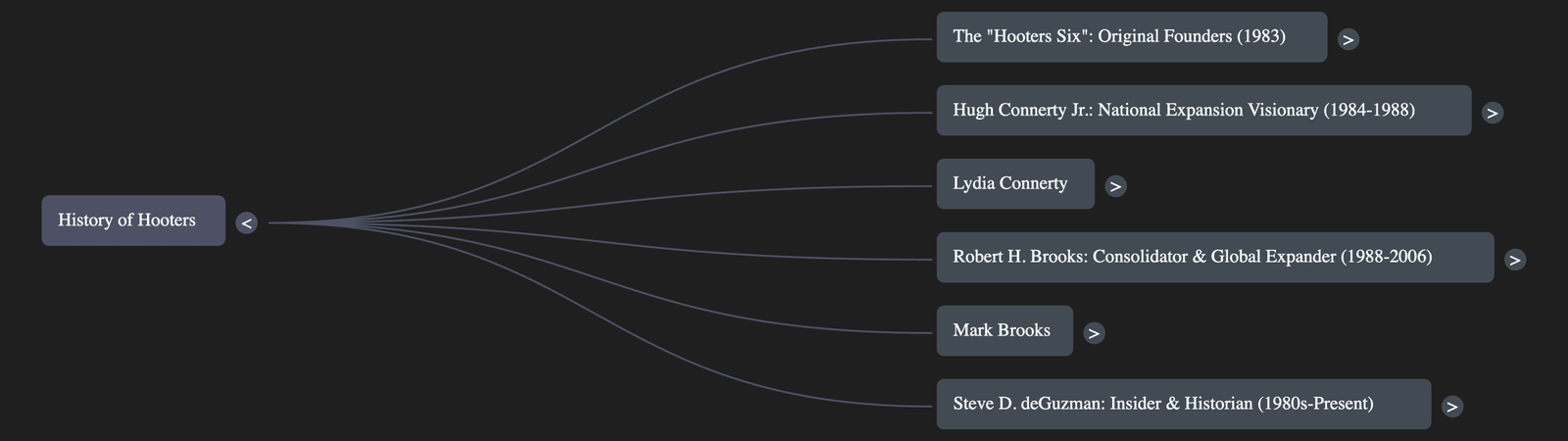
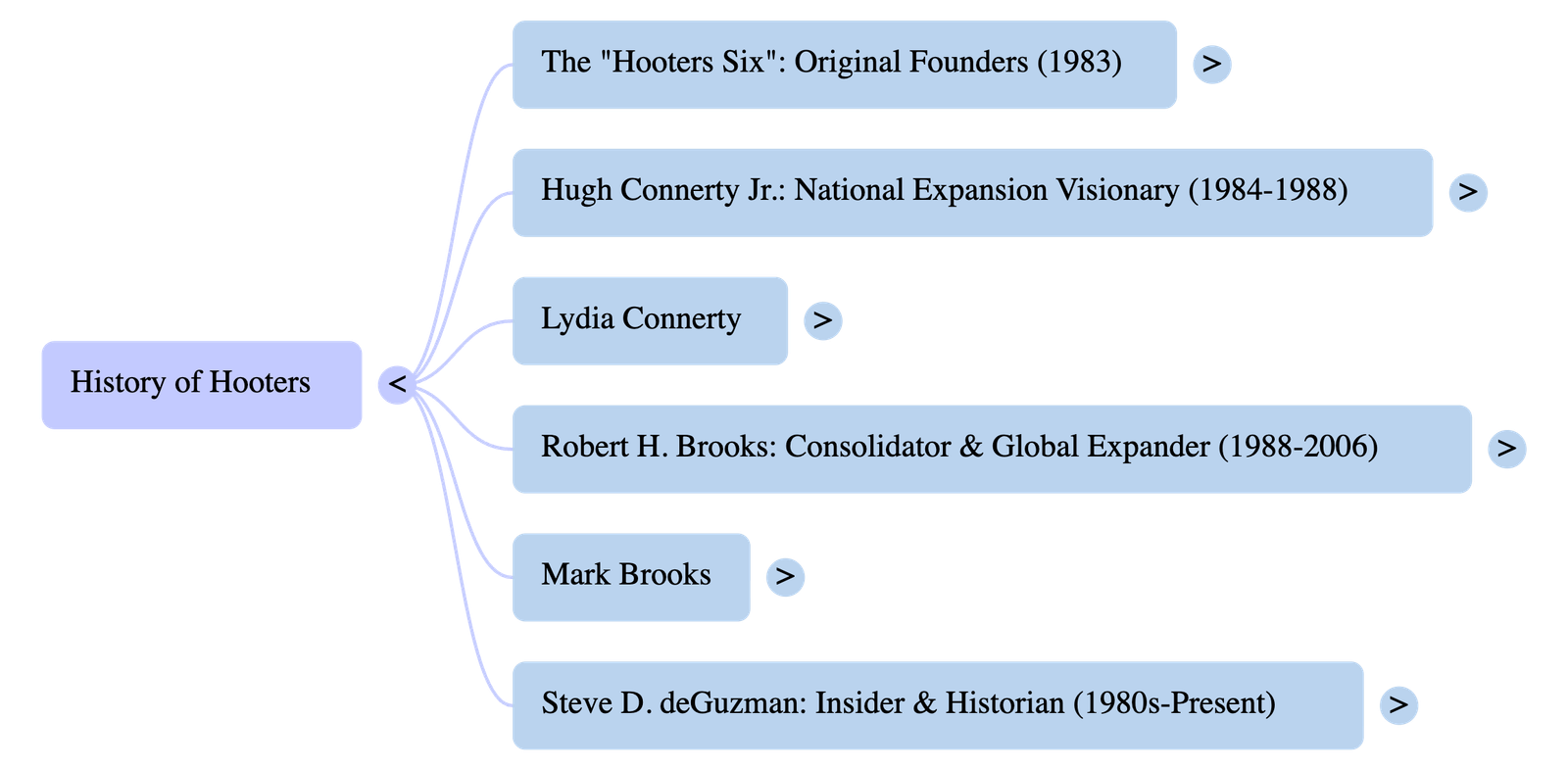
The history of HOOTERS story begins with six founders who opened the first Hooters restaurant on April 1, 1983, as a tongue-in-cheek venture they fully expected to fail. Instead, it thrived. The novelty of its concept—attractive servers in revealing uniforms serving bar food in a beach-shack setting—captured public attention quickly. Hugh Connerty Jr. was an early driving force behind the business structure, seeing its potential beyond a one-off joke.
Later, Robert H. Brooks, an entrepreneur from Eastern Foods, would come into the picture with major investments and eventually take over the trademark rights. Steve D. deGuzman, an early insider with accounting and software acumen, played a significant behind-the-scenes role in organizing and scaling financial operations during the crucial early years.
Others like Mark Brooks (Robert’s son), Lynn Austin (the first “Hooters Girl”), and lobbyist Garnett Gregory also shaped the narrative in ways not commonly known to the public.
Expansion and National Growth
By 1986, Hugh Connerty led a strategic national expansion. Franchising was rolled out officially in 1994. This move supercharged growth, with Hooters eventually crossing the 400-location threshold by the mid-2000s. Real estate placement was key—Hooters prioritized locations near stadiums, college towns, and busy highway corridors, tailoring each location to maximize visibility and foot traffic.
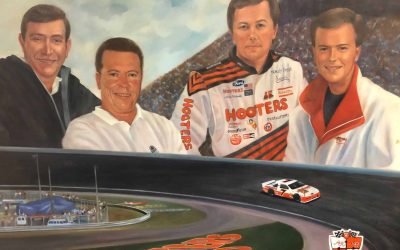
Notable promotions, including NASCAR sponsorships and swimsuit contests, became a core part of the growth strategy. Hooters leveraged controversy to drive buzz—something few brands of the era dared to do so openly.
Brand and Marketing Genius
Hooters’ marketing wasn’t accidental—it was engineered. From its slogan, “Good food, cold beer and pretty girls,” – which is total bullshit and completely PC language. I know, I attended the very first Hooter University where we learned to focus on Hot Pussy, Cold Beer & Sports – to the deliberate use of beach culture and sports bar aesthetics, every aspect of the brand was built to appeal to a very specific demographic.
The Hooters Calendar, first released in 1986, became an iconic piece of Americana, featuring models who often went on to work in entertainment. The brand also emphasized community events, local partnerships, and in-store experiences that mixed sex appeal with hospitality training.
Promotional marketing tied into national sports events, music festivals, and even charity work gave the brand a paradoxical reputation: risqué yet family-friendly, depending on the location and region.
Corporate Structure and Internal Conflicts
Despite external success, internal strife marked the Hooters corporate evolution. Initially operated by Hooters Inc. (the original founders), the company soon saw the emergence of a competing entity—Hooters of America—formed by Connerty and later managed by Brooks.
This split led to lawsuits, attempted takeovers, and even a failed sale to J.D. Stewart’s Steakhouse group. Major tensions revolved around branding, food sourcing, uniforms, and intellectual property.
In 2001, Brooks finally acquired the trademark rights outright, solidifying Hooters of America as the official corporate umbrella. But conflict didn’t stop there. An EEOC complaint filed in the late ’90s, though ultimately settled, exposed the challenges of operating a brand reliant on gender-specific hiring practices.
Key Events and Timeline
- 1983: The First Hooters restaurant opens in Clearwater, Florida.
- 1984: Hooters of America is founded by Connerty with license rights.
- 1985: National expansion begins.
- 1986: Hooters Calendar is launched.
- 1988: Robert H. Brooks takes control.
- 1993: Mark Brooks, Alan Kulwicki die in plane crash
- 2001: Brooks secures trademark sale and consolidates ownership.
- 2004–2006: Peak growth years with over 400 restaurants globally.
- 2006: Robert H. Brooks dies unexpectedly.
- 2010: Sale of Hooters of America to private equity firms.
- 2023: Rumors of founders seeking re-entry and new vision.
Challenges, Bankruptcy, and Shifting Norms
Over the past two decades, Hooters has struggled with shifting cultural norms and heightened market competition. Brands like Twin Peaks and Tilted Kilt copied and modernized the “breastaurant” model, while younger generations began questioning the outdated nature of objectified marketing.
By the 2020s, Hooters faced declining foot traffic and financial stress. In 2020, a major bankruptcy filing was narrowly avoided through restructuring and investor support. But cracks in the model continued to show.
The rise of delivery apps, virtual restaurants, and increasing calls for gender equality made Hooters feel more like a relic than a relevant brand. Despite this, it continued operating with core loyalists and overseas success, especially in Southeast Asia.
Post-Hooters Ventures by Key Figures
Several major figures in Hooters’ history went on to launch new concepts. Hugh Connerty later founded Outback Steakhouse and Metro Diner. Others went into low-profile investing or niche hospitality brands. There was also an attempt at a digital Hooters revival, but it never gained traction.
Steve deGuzman, meanwhile, channeled his business and software expertise into real estate technology platforms, quietly becoming a respected name in SaaS and brokerage automation tools. His time inside Hooters—and later in the Federal system—uniquely positioned him for these pivots.
Legacy of the Brand
Love it or hate it, Hooters left a permanent mark on American dining. It wasn’t just a restaurant—it was a movement that tapped into the male psyche of the ’80s and ’90s and sold it back wrapped in hot wings and nylon shorts. It created billionaires, lawsuits, and national headlines, all while serving burgers and beer.
Today, Hooters’ influence can be seen across dozens of copycat chains and in how modern brands walk the line between sex appeal and mainstream acceptability. Even as its original spark fades, the story of Hooters remains one of bold vision, unapologetic branding, and relentless entrepreneurship.
The Hooters story isn’t just about a restaurant. It’s about how a small group of founders, a few bold investors, and a marketing vision built one of the most recognizable brands in the world—warts and all. Its rise, conflict, and ongoing reinvention offer lessons for entrepreneurs, marketers, and business leaders alike. Hooters might not be what it once was, but its place in American business history is firmly cemented.