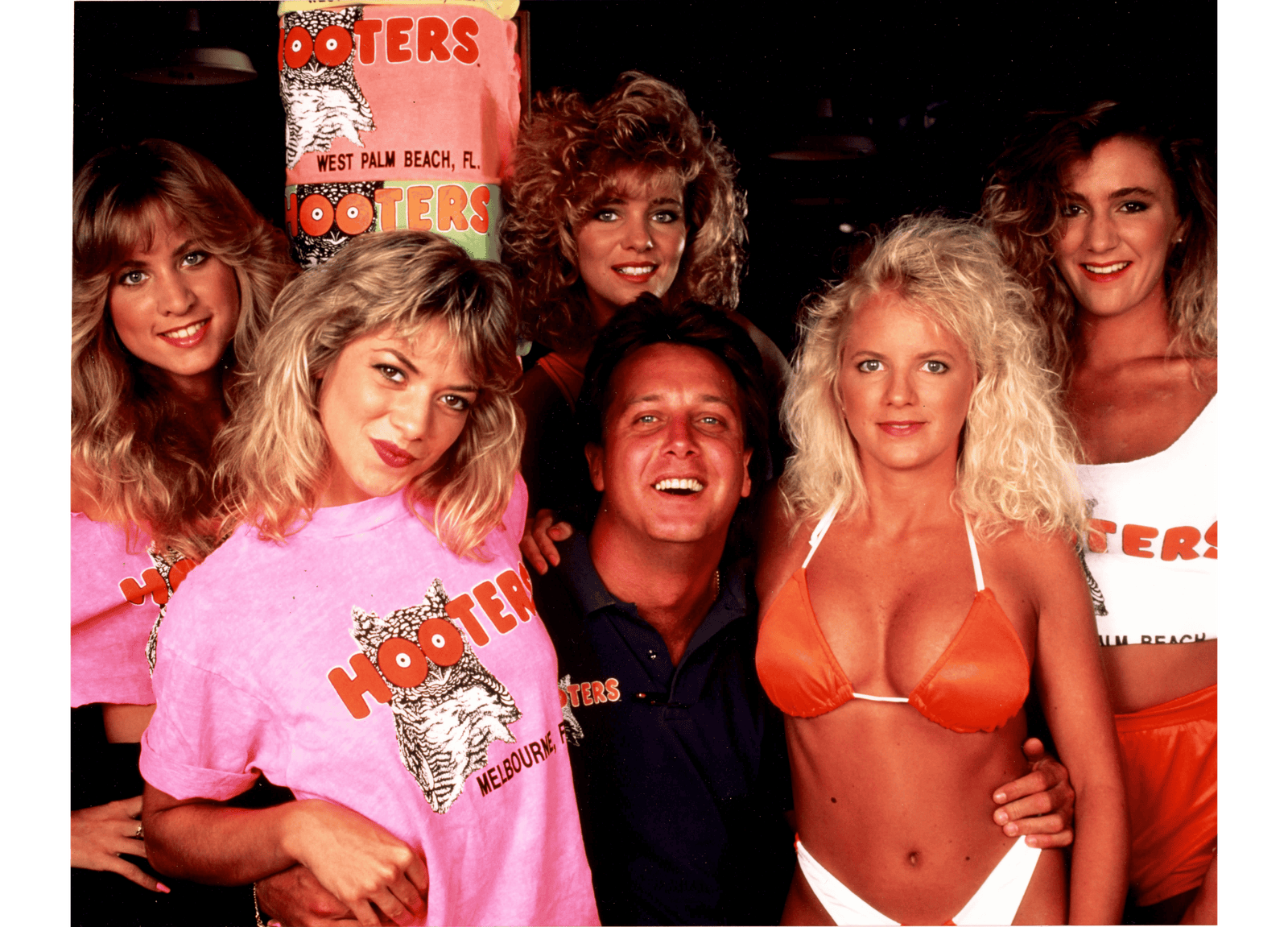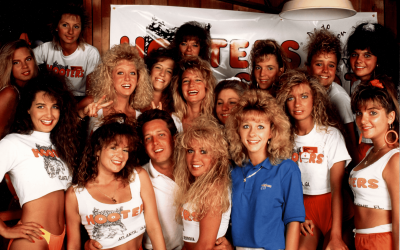
The birth of Hooters in the early 1980s launched an entirely new chapter in American dining. What began as a simple beach-themed eatery in Clearwater, Florida, soon transformed into a national sensation that reshaped the casual dining experience. At its heart, Hooters combined three essential ingredients: hot wings, cold beer, and the iconic Hooters Girls. The result was a playful, energetic brand that captured the attention—and the appetite—of a generation.
But Hooters wasn’t just selling food. It was selling an experience. From the very beginning, it packaged irreverence, charm, and simplicity into a lifestyle offering. As the chain expanded, so too did its visibility and its critics. Navigating both controversy and growth, Hooters rode a wave of publicity that helped it become a household name.
Its story is one of ambition—where entrepreneurial grit met cultural timing and turned what might have been a local novelty into a nationwide staple. Through both praise and criticism, the brand stayed true to its roots while facing the ever-changing demands of society, cementing its legacy in American pop culture.
The Humble Beginnings in Clearwater
It all began in Clearwater, Florida, on October 4, 1983, in a location that once served as a gas station. Six friends—Lynn D. Stewart, Gil DiGiannantonio, Ed Droste, Billy Ranieri, Ken Wimmer, and Dennis Johnson—came together with a shared vision: create a place where people could enjoy great wings, cold beer, and a relaxed, beachy vibe. There was no master business plan, just a gut feeling that they had something people would enjoy.
The original Hooters offered a casual, laid-back experience that mirrored the feel of Clearwater’s coastal community. The now-iconic Hooters Girl uniform added a unique twist, turning heads and generating conversation. Locals and tourists alike were drawn in, and the restaurant quickly gained popularity. What started as a passion project turned into a surprising success story.
The early years were defined by experimentation, hustle, and a commitment to making the brand fun and approachable. Despite challenges and internal losses, the founders held firm to their ethos. They built a community and created a dining destination that would eventually attract national attention.
The Role of the Hooters Six
The original six founders—now known as the Hooters Six—were instrumental in the brand’s DNA. Each brought unique strengths to the table: finance, hospitality, marketing, and management. They weren’t just business partners; they were visionaries who challenged traditional restaurant norms.
Together, they crafted an environment that felt fresh and unpretentious, one that offered a consistent product but didn’t take itself too seriously. Their formula worked. Patrons kept coming back, and the buzz around Hooters began to spread beyond Florida’s borders.
While the Hooters Six laid the groundwork, the group faced hardships, including the tragic loss of some members. Even so, their impact remains indelible. Their early decisions shaped the soul of the brand and defined what Hooters would become.
The Visionary Leadership of Hugh Connerty
If the Hooters Six lit the spark, Hugh Connerty poured fuel on the fire. Connerty recognized the brand’s potential and took the helm with bold, visionary leadership. His drive and operational savvy transformed Hooters from a promising regional chain into a national icon.
Connerty was a force. He saw opportunity where others saw novelty. His instinct for scalable systems, prime real estate, and media-savvy marketing gave Hooters the engine it needed to grow. His leadership emphasized consistency without losing character. Every Hooters location became a reflection of the original’s energy and tone.
More than just growing a business, Connerty built a brand people sought out—not only for food but for the atmosphere. Under his guidance, Hooters was no longer a local phenomenon; it was a national conversation piece.
Defining the Hooters Brand
From the start, Hooters stood out. Its tagline, “Delightfully Tacky, Yet Unrefined,” was more than a catchphrase—it was a mission statement. The Hooters experience was about fun, friendliness, and a refusal to conform to traditional dining expectations.
Chicken wings and American staples were the core of the menu, but the real draw was the brand’s personality. The Hooters Girls, part waitstaff, part brand ambassador, gave the restaurant its face and helped foster customer loyalty.
This mix of hospitality and irreverence made Hooters more than a place to eat—it became a destination. The consistency in theme, service, and food quality played a huge role in maintaining brand identity across new locations.
The Rise and Expansion Under Connerty
The late 1980s saw Hooters enter a period of explosive growth, largely fueled by Connerty’s ambitious expansion plans. He wasn’t just adding more stores—he was building an empire. Each new Hooters location was carefully chosen for maximum visibility and foot traffic.
From college towns to major metros, Hooters appeared where the demographics aligned with its fun, energetic appeal. Connerty also deployed bold, memorable marketing tactics that reinforced the brand’s image and kept it in the public eye.
As growth accelerated, so did scrutiny. But Connerty leaned into the controversy, knowing that staying in the conversation was key. It worked. By the end of its first decade, Hooters was one of the most recognized names in casual dining.
The Influence of Robert and Mark Brooks
As Hooters entered the 1990s, Robert Brooks became a major force behind the brand’s future—but not necessarily for the better. While his capital injection and controlling interest gave Hooters financial momentum, his vision started to conflict with the very identity that had made Hooters successful in the first place.
Brooks came from a food manufacturing background and brought with him an industrialized mindset. He insisted on scaling operations by centralizing food production, scanning and batching ingredients to be made in bulk. He was adamant that this method did not sacrifice quality, though many within the company disagreed. The result was a departure from the handcrafted charm that defined the original Hooters experience.
Worse still, Brooks initiated a rapid and often questionable expansion strategy. New stores were opened along his preferred distribution lines rather than based on market analysis. Locations like Wilmington, North Carolina, opened to underwhelming performance, raising concerns internally. Many questioned the logic behind site selections that ignored core demographic appeal.
Compounding the issues was Brooks’ volatile leadership style. Known for his Trump-like stubbornness and explosive temper, he often derailed discussions and bulldozed opposition. His approach caused friction among the leadership team, slowed innovation, and alienated some of the brand’s most loyal champions.
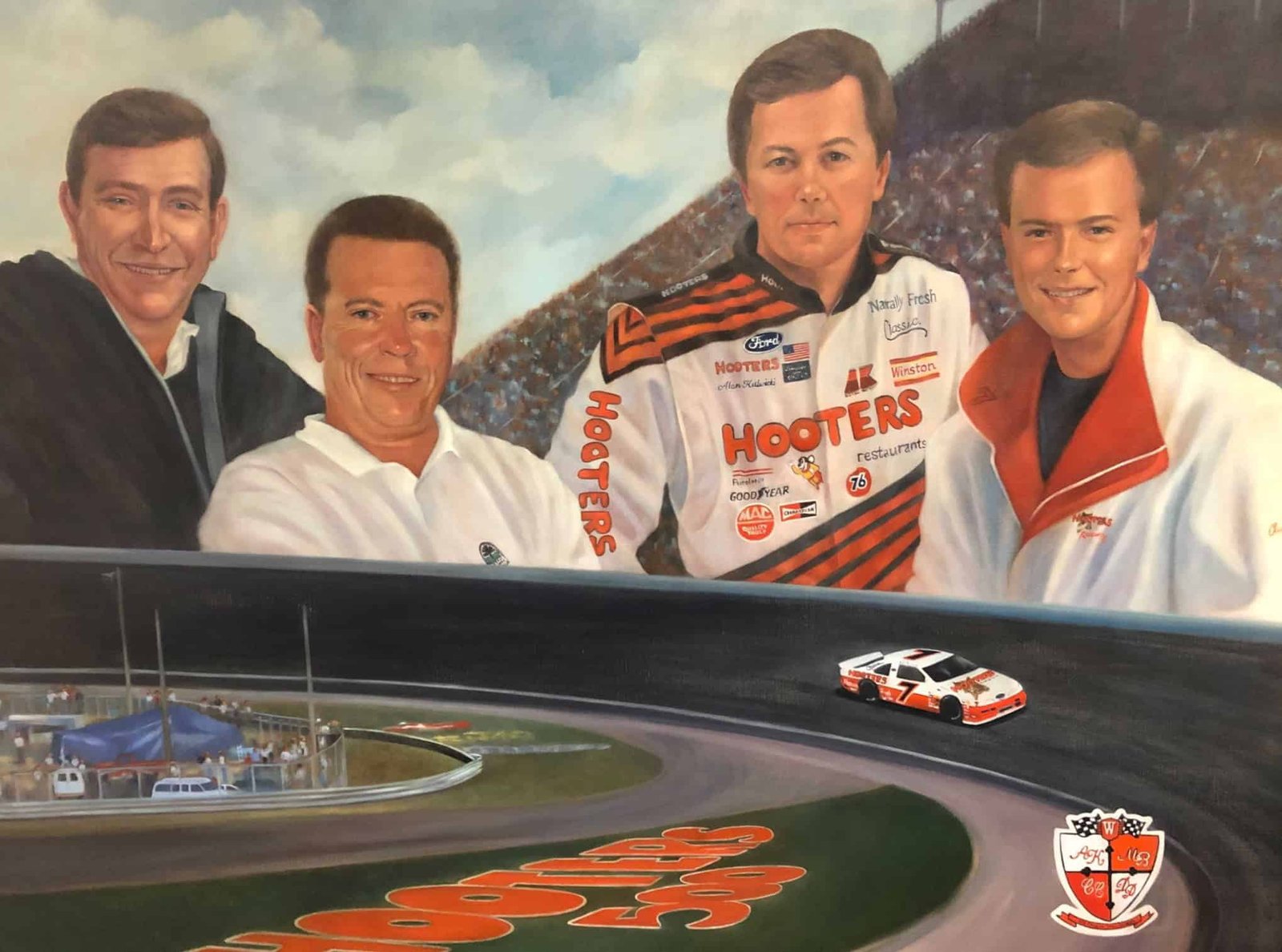
Mark Brooks, his son, had shown promise, especially in sports marketing where he played a key role in NASCAR sponsorships. Tragically, Mark died in a 1993 plane crash alongside racing champion Alan Kulwicki. While his death was a blow to the brand emotionally and strategically, many believe the company had already started to drift under Robert Brooks’ misguided direction.
In hindsight, while the Brooks family played a significant role in Hooters’ growth, Robert Brooks’ leadership ultimately set in motion the dilution and mismanagement that caused the brand to lose its original charm, quality, and focus.
Legacy of the First Decade
From its gas station origins to a multimillion-dollar empire, the first ten years of Hooters were a whirlwind of innovation, controversy, and growth. What started with visionaries like the Hooters Six and Hugh Connerty slowly unraveled under the industrialized and often erratic leadership of Robert Brooks.
By sacrificing quality for scale and replacing smart expansion with arbitrary distribution routes, Brooks undermined the magic that made Hooters iconic. His refusal to accept criticism or listen to seasoned operators marked a turning point in the brand’s identity.
The story of Hooters’ first decade is as much a case study in brilliance as it is a warning about leadership missteps. Bold ideas and good timing launched the brand—but misguided control took it down.
###